

The White Sea
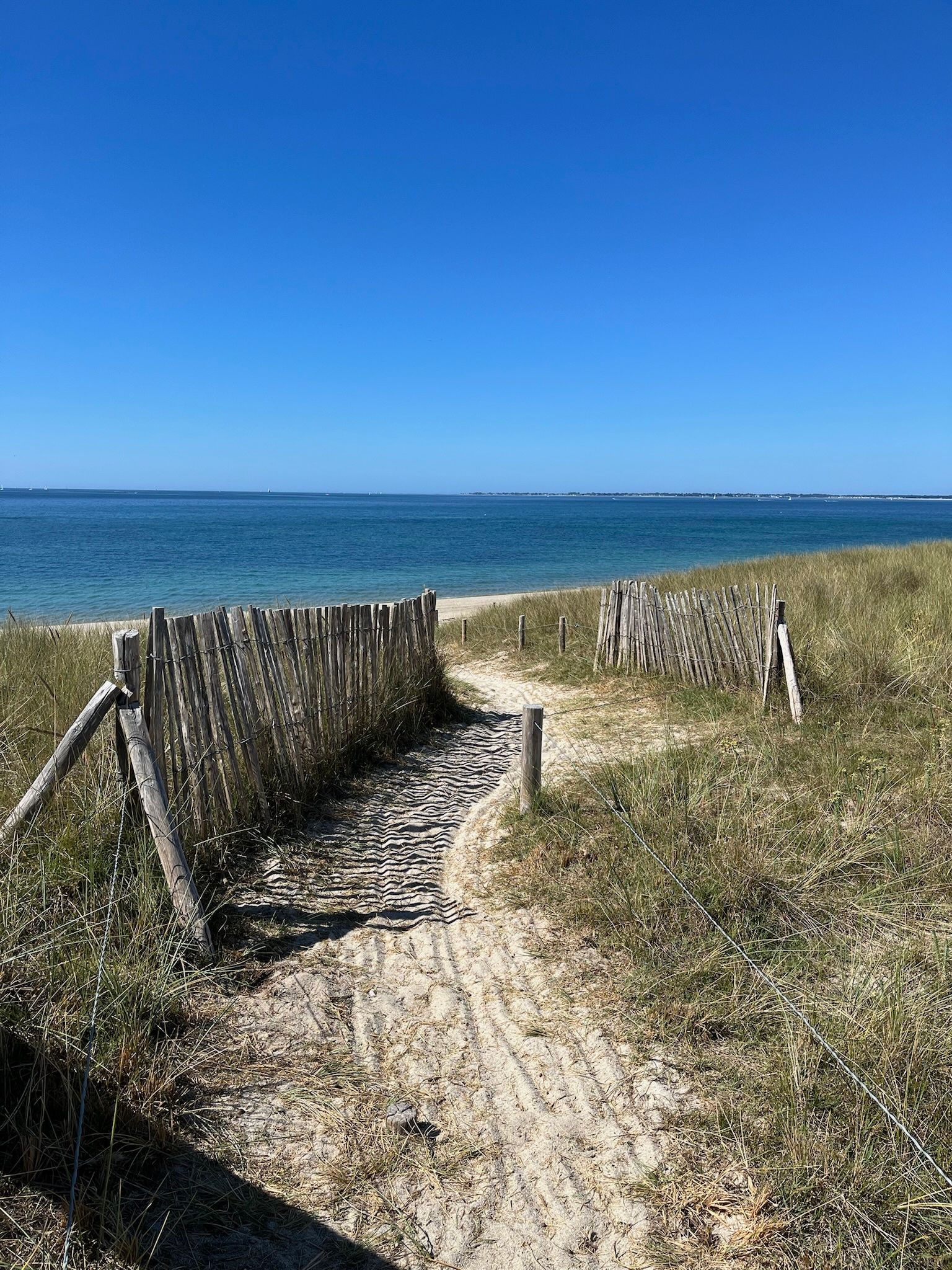
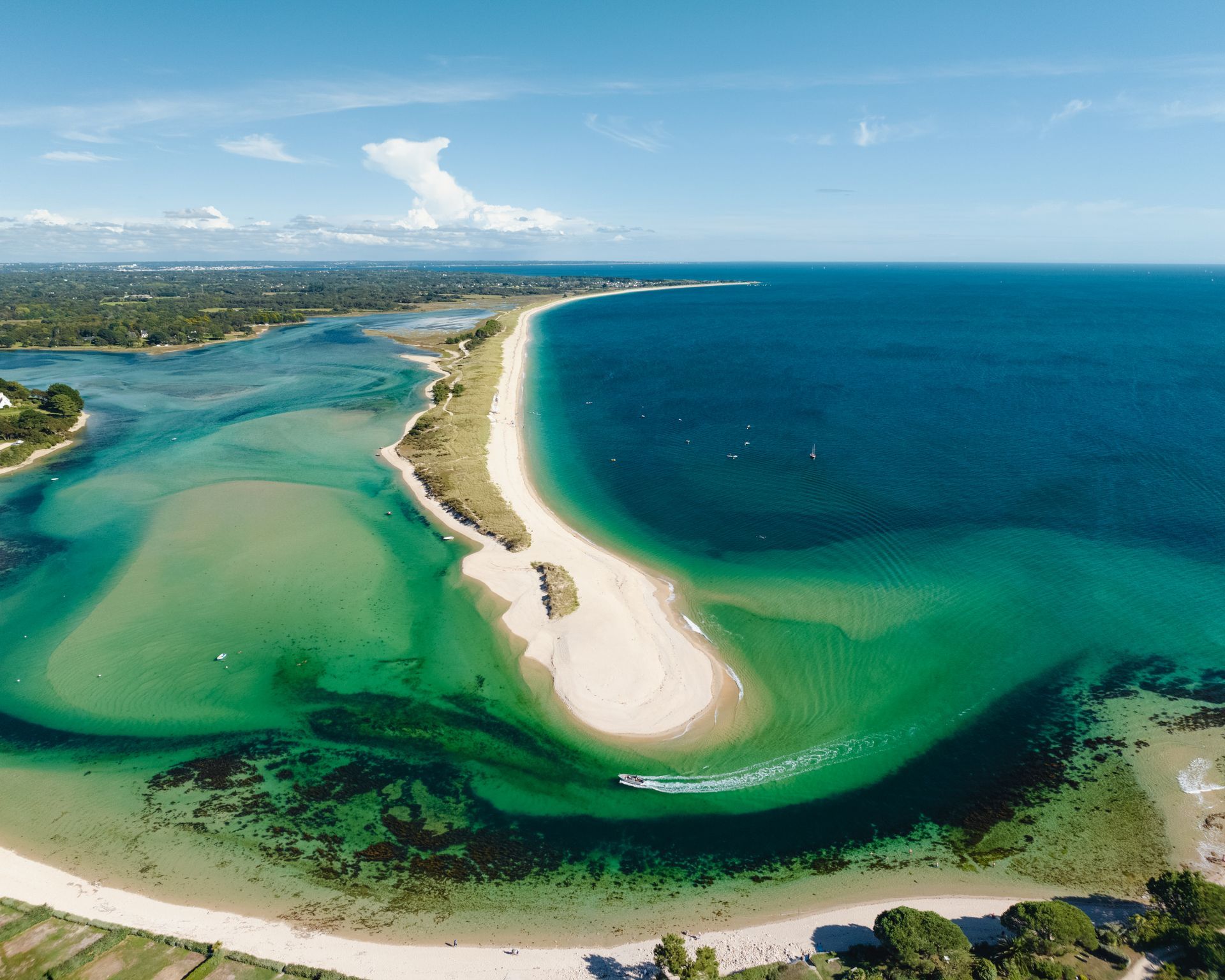
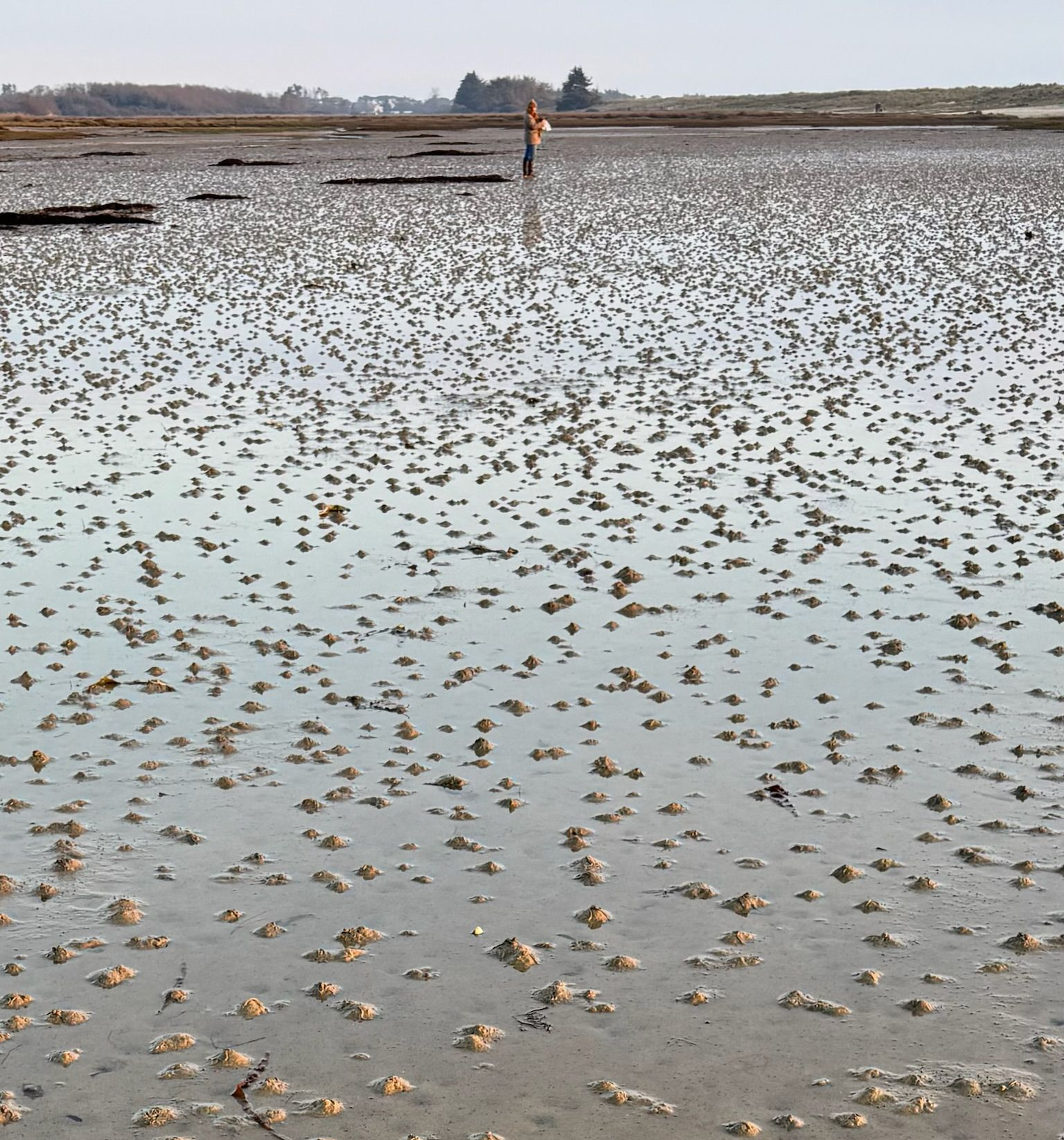
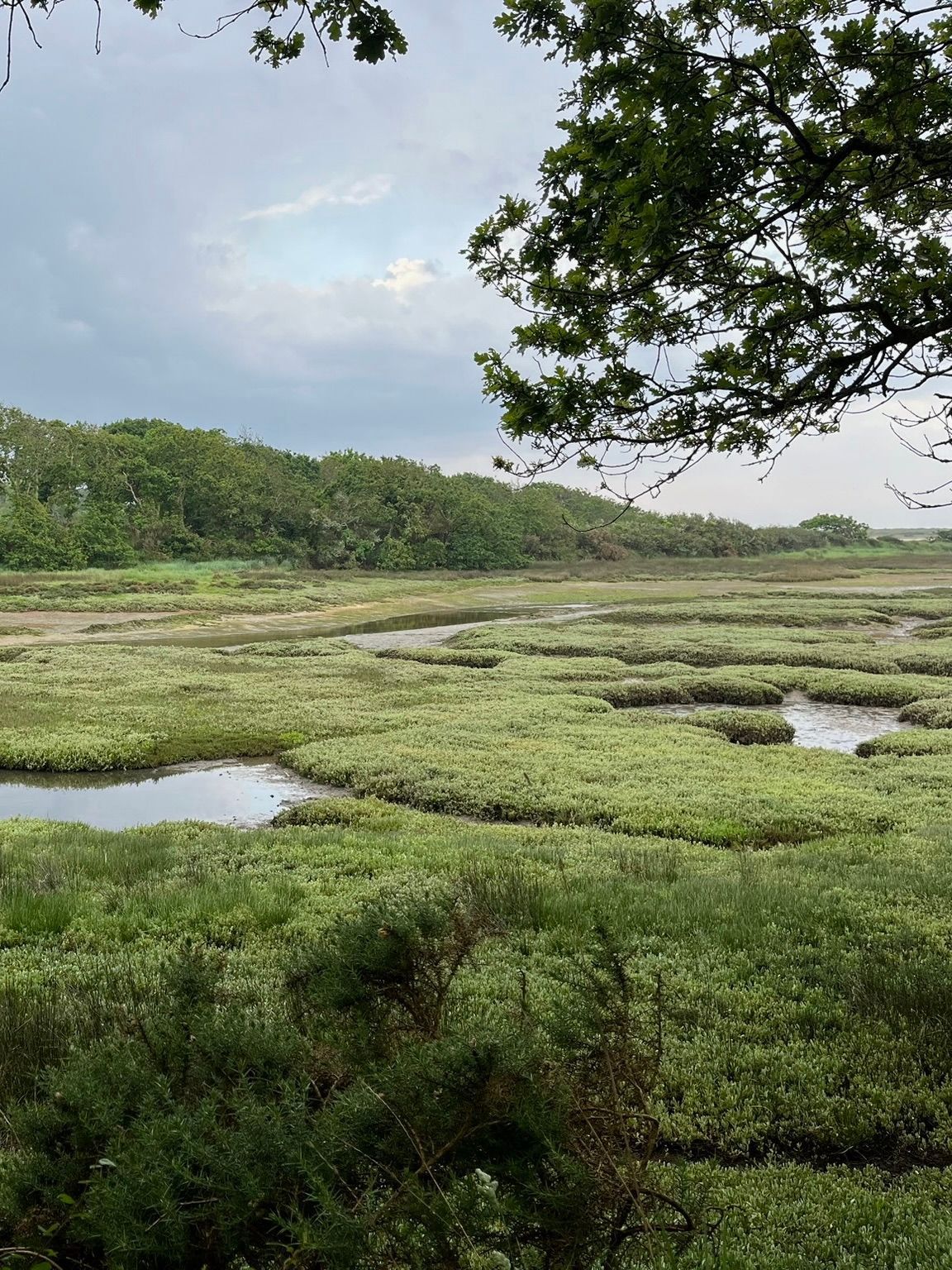
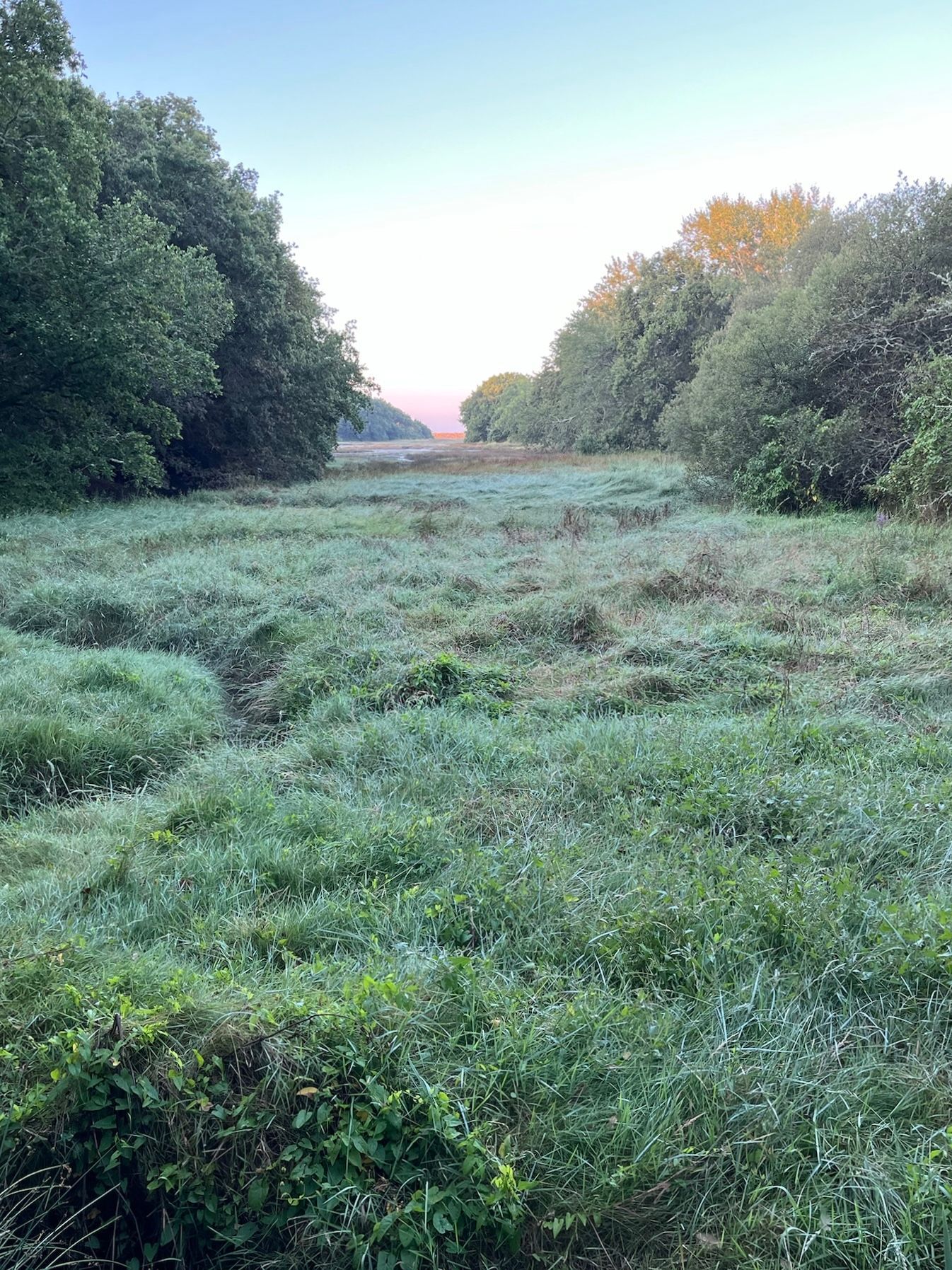
Meer Blanche is a unique marine lagoon separated from the open Atlantic Ocean by a natural dune barrier. At the head of the dune, seawater flows in and out with the rhythm of the tides, constantly transforming the area – sometimes with vast expanses of flat sand, sometimes with mirror-like surfaces of water, and sometimes with lively channels between the dunes and the sea.

Animal and plant life
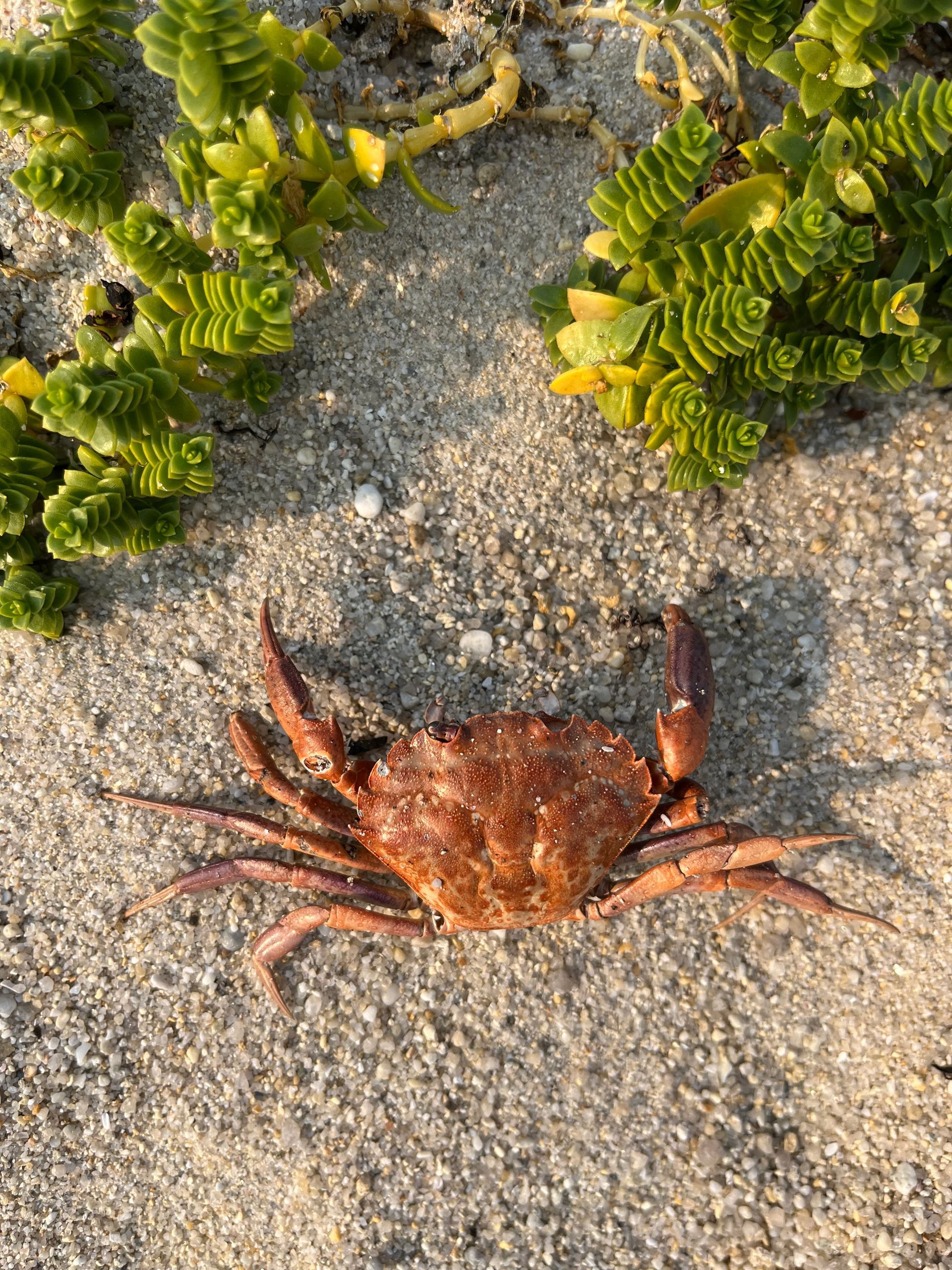
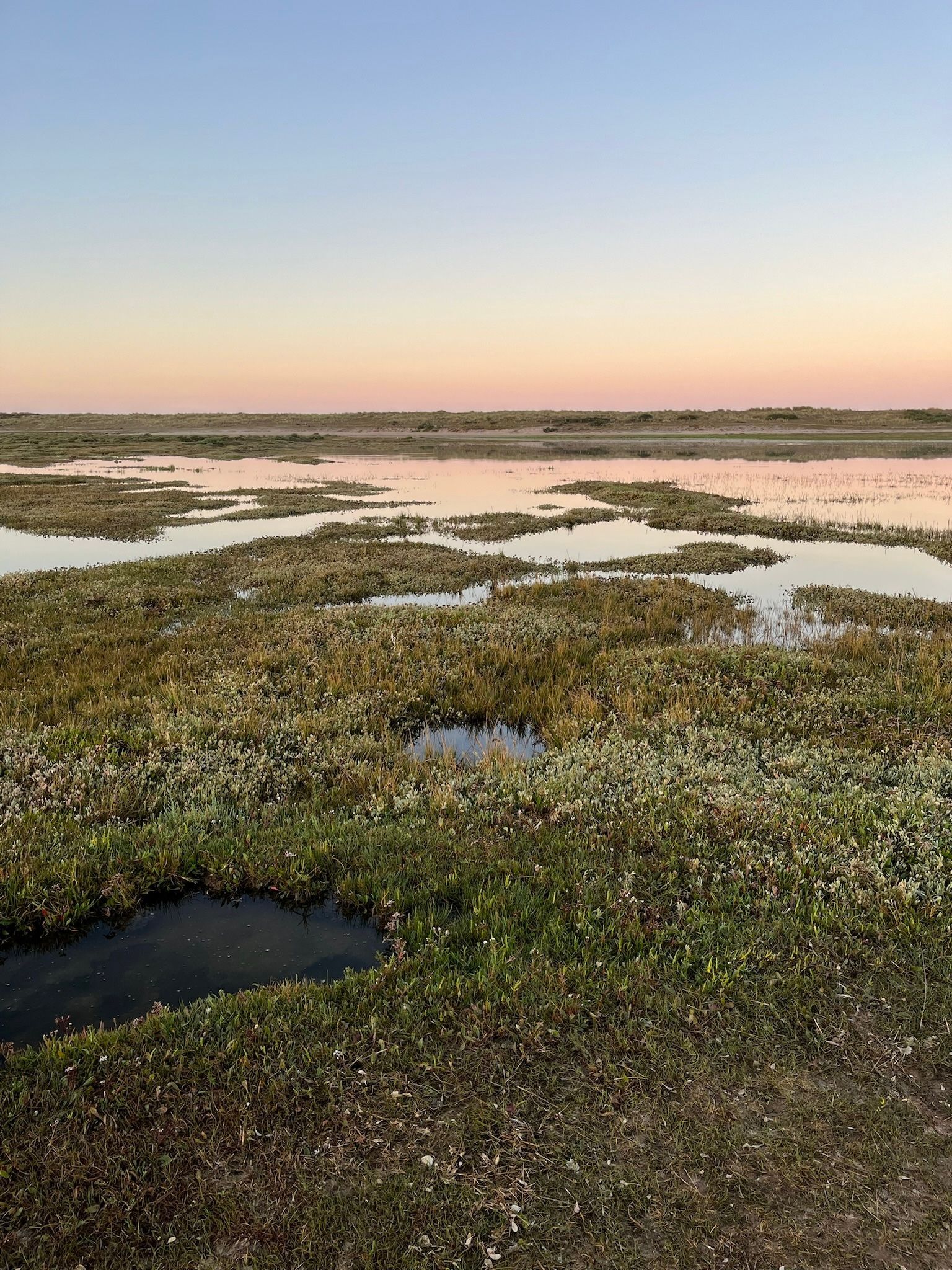
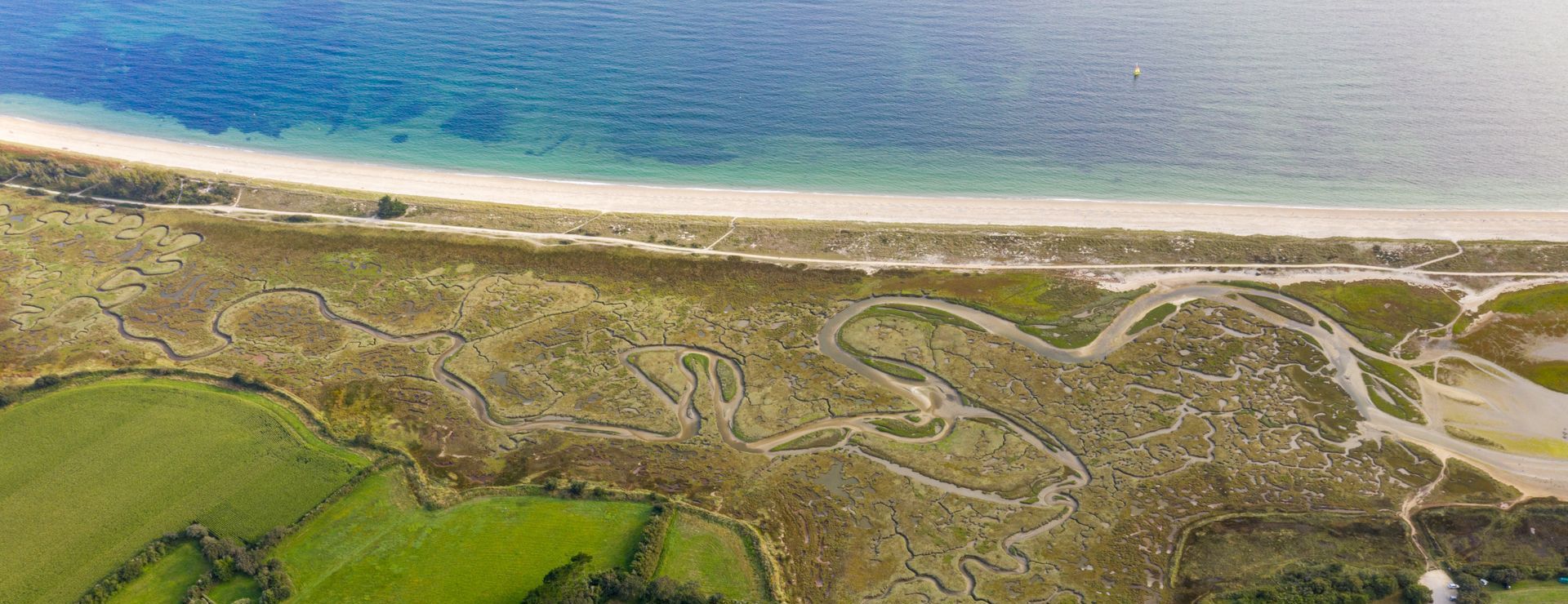
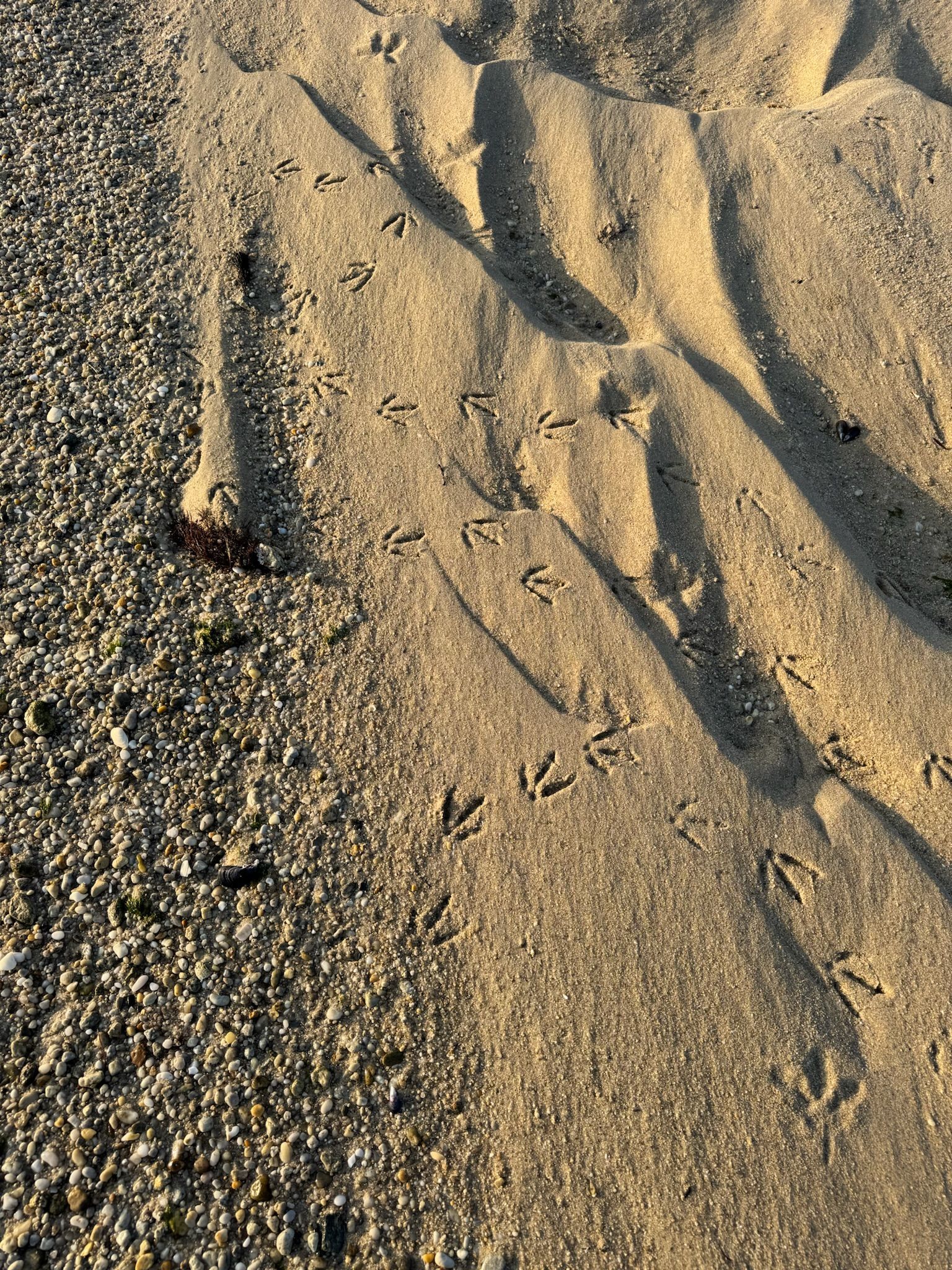
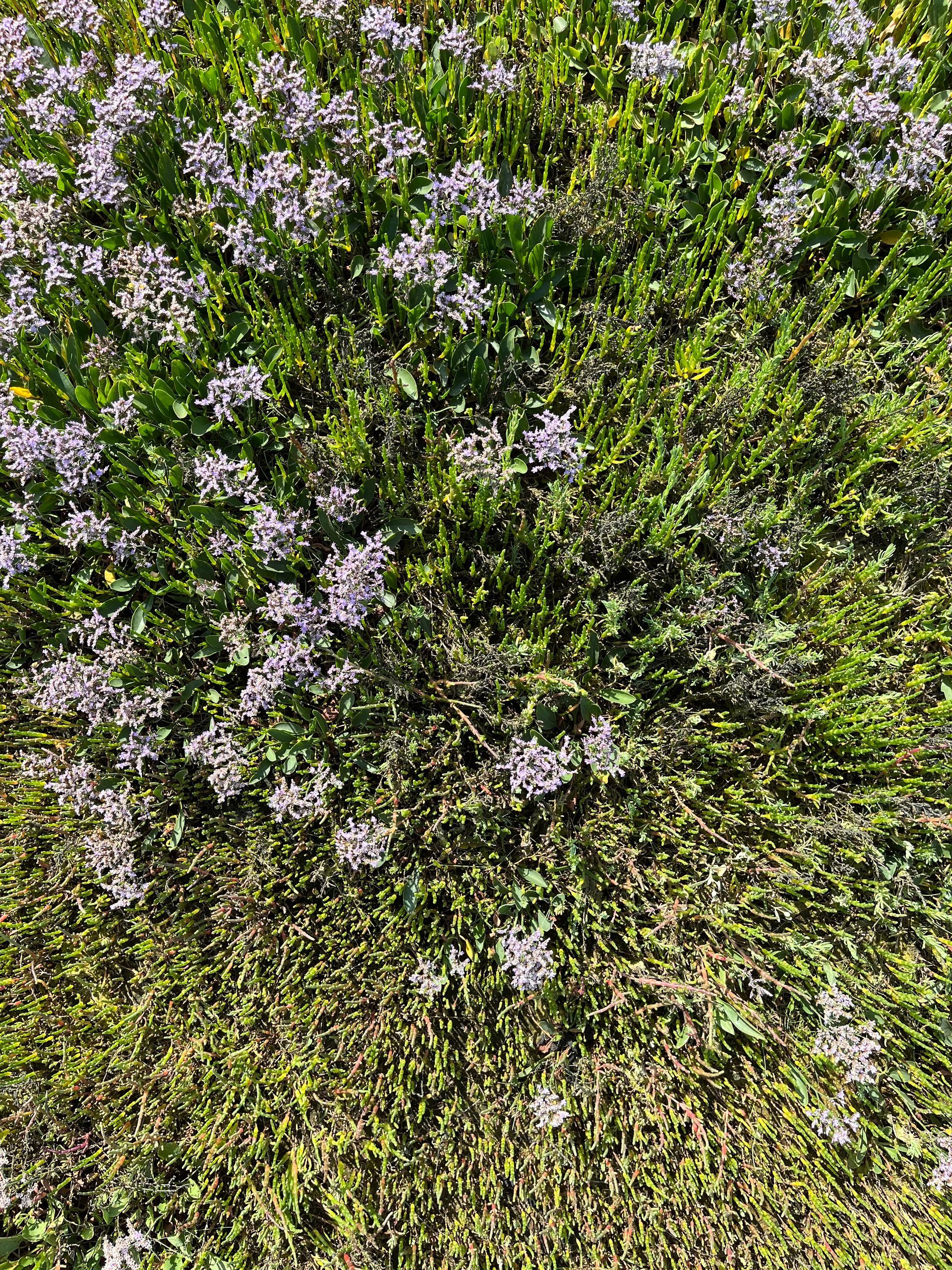
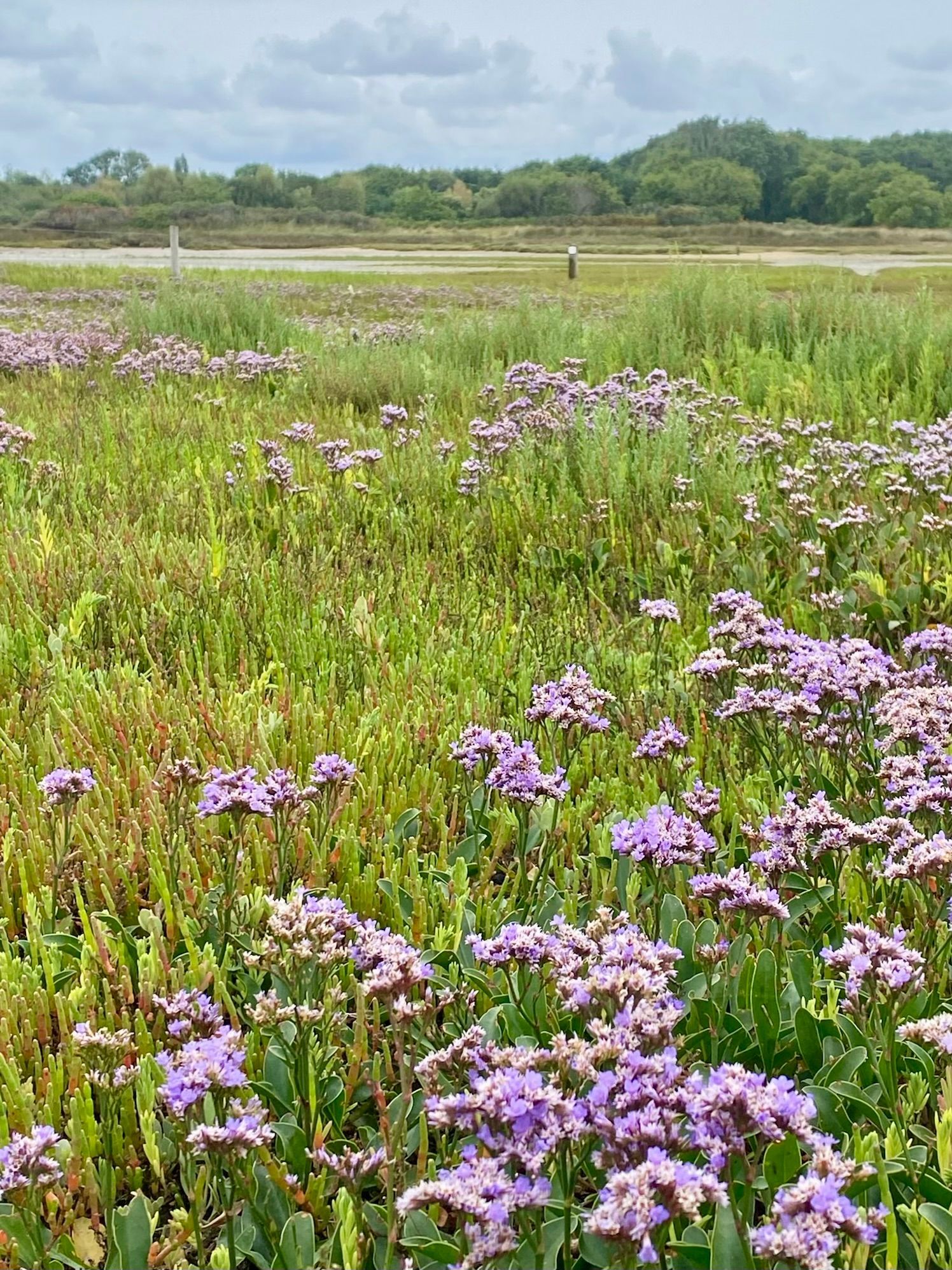
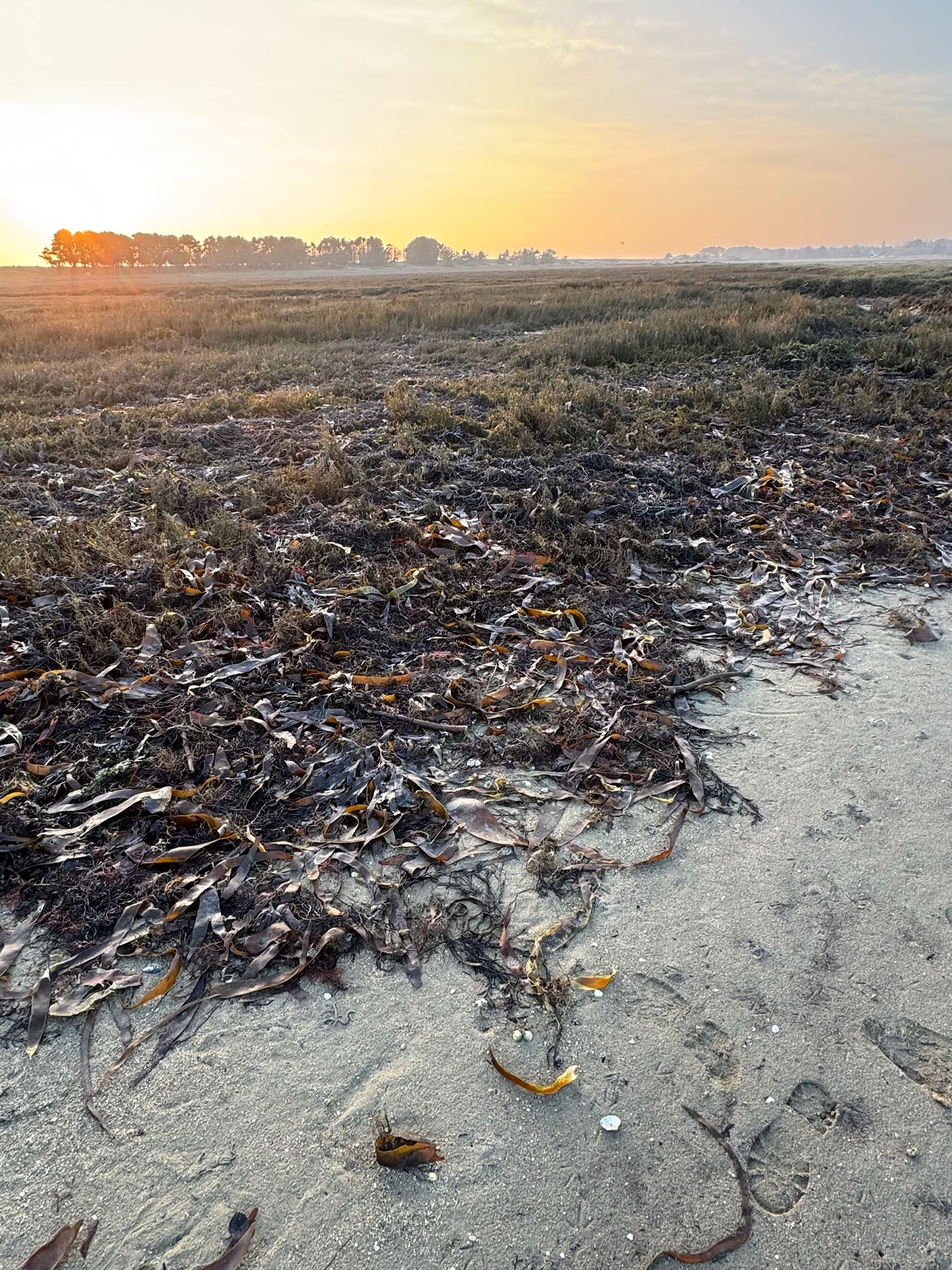
The Mer Blanche is not only a place of great beauty, but also a vibrant habitat. At low tide, migratory and wading birds use the lagoon to forage, while shallow coastal areas provide an ideal habitat for mussels, crustaceans, and algae. Salt-tolerant plants such as samphire and other coastal flora thrive in the surrounding area and salt marshes, defying the harsh coastal conditions. This exceptional biodiversity makes the Mer Blanche a valuable ecological reserve and has led to its inclusion in the Natura 2000 network of protected areas, a European network for particularly valuable natural sites.

A place of peace and discovery
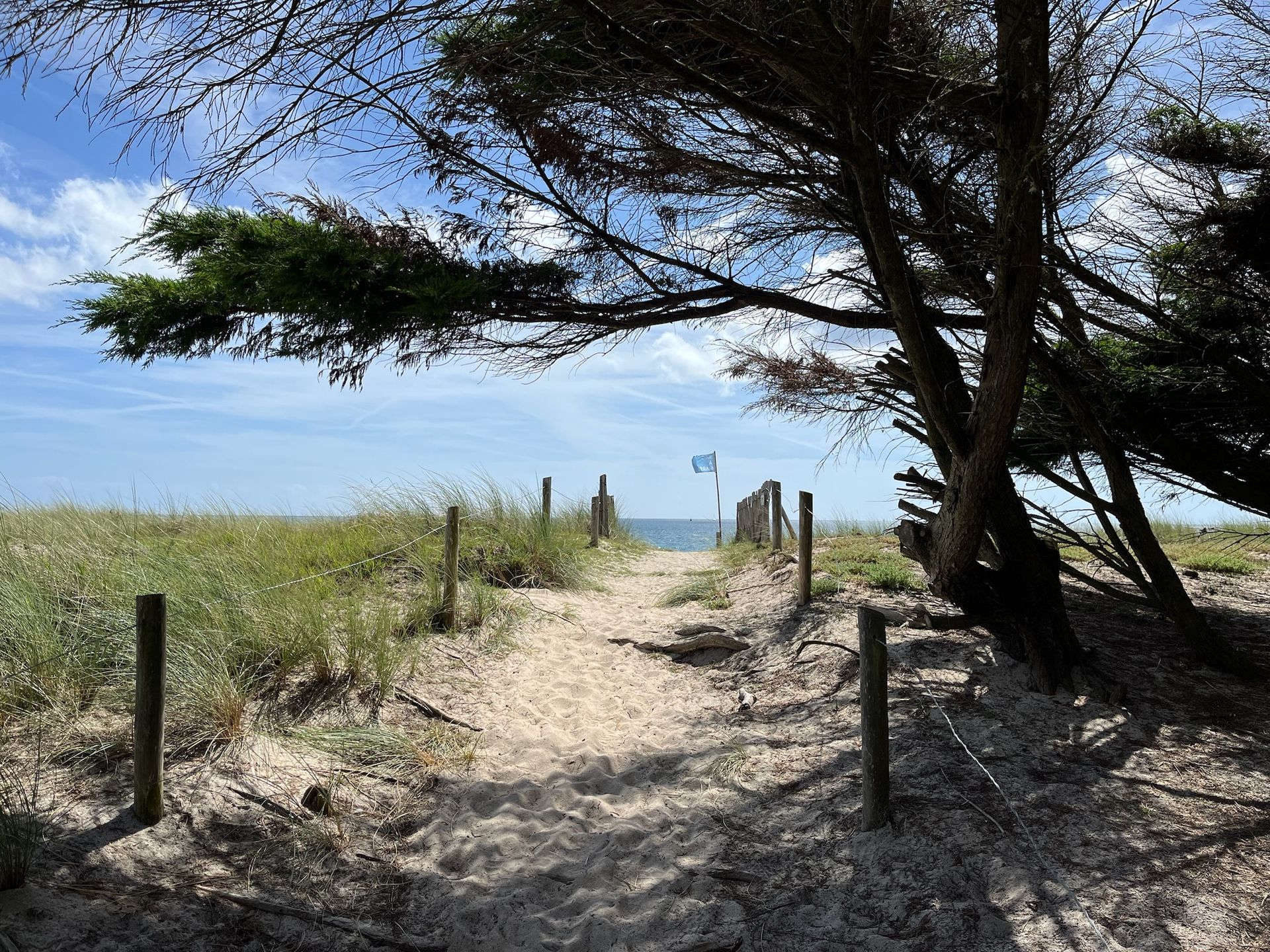
Unlike busy beaches, Mer Blanche offers tranquility and a chance to experience nature. Visitors can hike along circular trails, observe birds, or simply enjoy the fresh sea air. It's a place where you can feel the power and stillness of the sea – a place to connect with nature. At low tide, the lagoon is a great place for children to play in the mudflats and tidal creeks, catch fish, or discover crabs. The shallow water is also ideal for inflatable boats and canoes, as well as for aspiring windsurfers and stand-up paddleboarders.
The beach
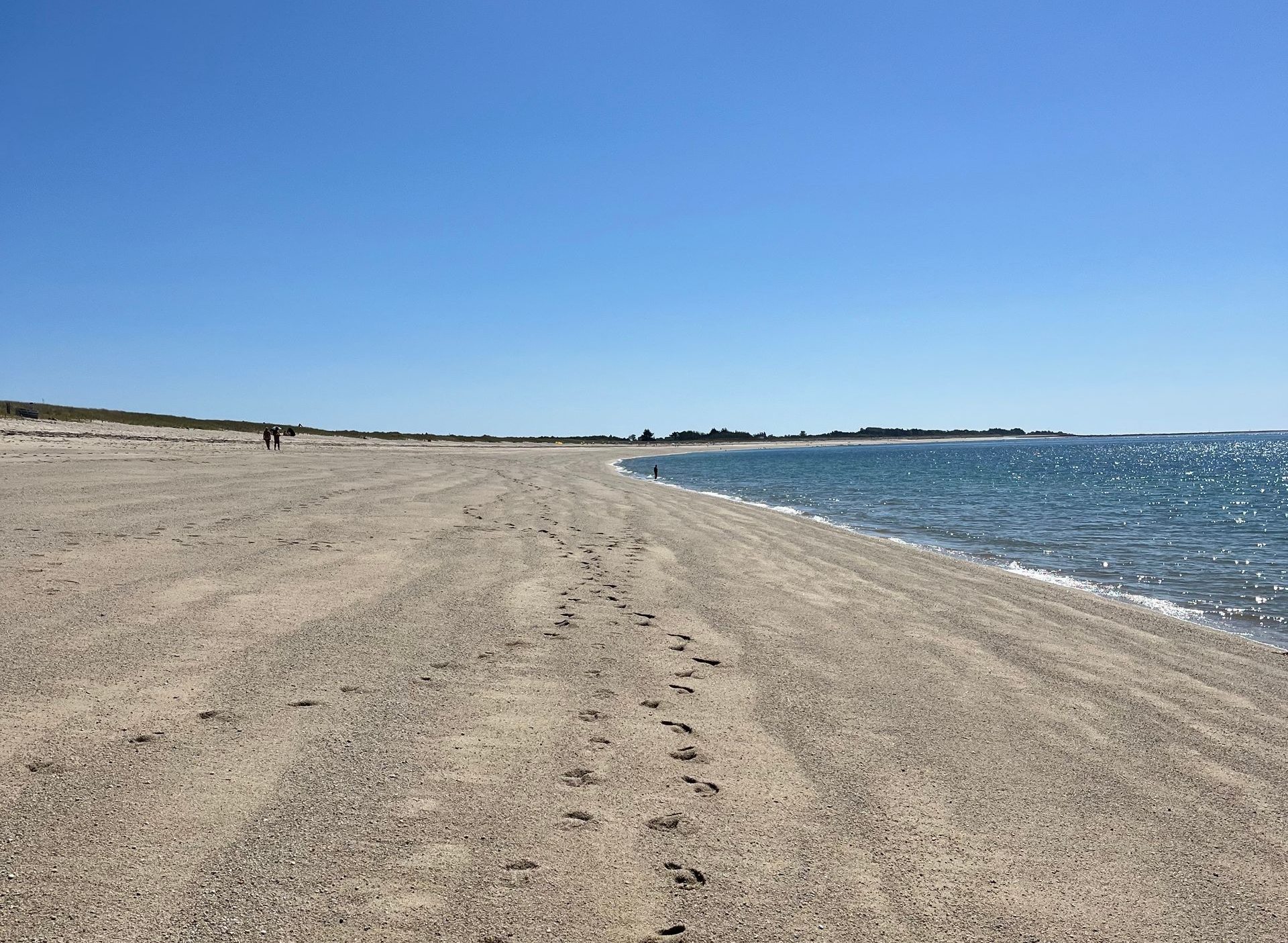
Last but not least, the Mer Blanche boasts several kilometers of fine, beautiful sandy beach on its Atlantic side. The clear water here is cooler than in the lagoon, the waves are moderate, and visitors can enjoy the tranquility far from crowded beaches. A section of the beach is designated for nudists. Divers will find plenty of spider crabs and Breton lobsters to discover in the immediate vicinity of the shoreline.